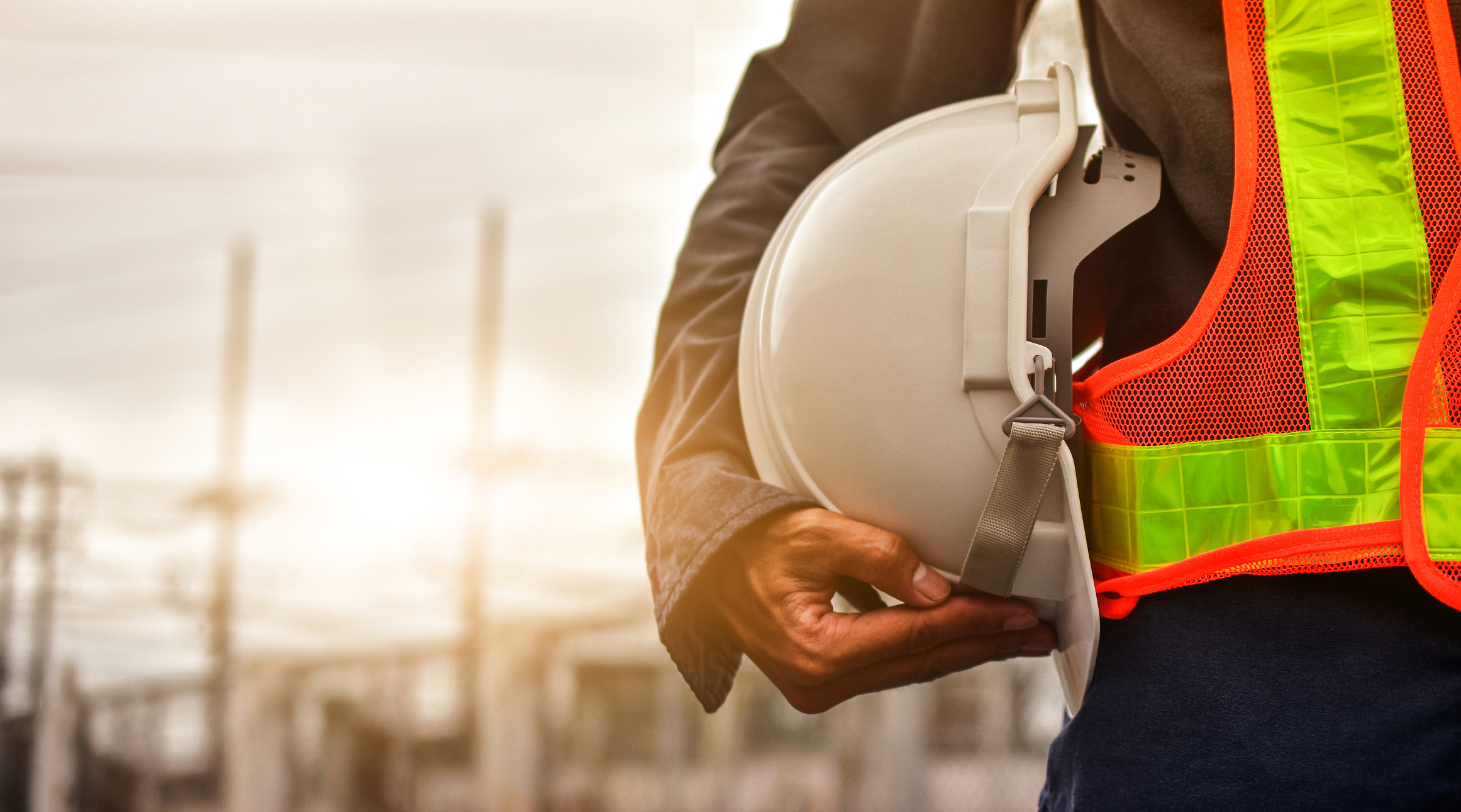
Commercial Construction Safety: Why Owners Must Make It a Priority
Commercial construction safety is not just a legal requirement, it is a financial and operational lifeline. A single accident on your jobsite can stop work, increase insurance premiums, attract regulatory scrutiny, and put your company’s reputation on the line. Every year, thousands of projects are delayed or shut down because of accidents and OSHA violations. Owners often share in the legal and financial consequences when safety is neglected, making it essential to treat safety as a top priority from day one.
Why Safety Matters from an Owner’s Perspective
Safety failures on a construction site have a direct impact on your project and your business. Accidents create immediate work stoppages and ripple effects that can cost weeks of lost productivity. OSHA citations can reach $77,000 per violation, which is equivalent to losing a major piece of equipment or a critical project milestone. Even a single safety lapse can trigger rising insurance costs, strained relationships with investors, and potential lawsuits that can threaten the long-term health of your company.
Paper Safety vs Real Safety Culture
Many contractors talk about safety, but there is a difference between having policies on paper and creating a real safety culture. Paper safety looks impressive in manuals but is rarely practiced consistently in the field. A true safety culture shows up in daily behavior. Crews receive regular OSHA-10 or OSHA-30 training, foremen insist on proper protective gear, and any worker is empowered to stop unsafe work without fear. When safety is built into the rhythm of the job, incidents are far less likely to occur.
What Buyers Should Look For
As an owner, knowing how to evaluate a contractor’s safety practices can prevent major headaches. Ask contractors about their recent safety record and incident rate. If they hesitate or give vague answers, that is a red flag. Request examples of their safety audits, real-time reporting, and corrective action processes when incidents occur. A contractor who treats safety seriously will have documentation ready and will be proud to show how they protect their crews and clients.
The Value of Certification and Reporting
Certified and well-trained crews are the backbone of safe construction. Look for OSHA-10 or OSHA-30 certifications across all teams and confirm that subcontractors meet the same standard. Beyond training, reporting matters. Weekly site inspections, documented safety reviews, and real-time updates keep owners informed and ensure crews remain accountable. Consistent reporting is the difference between a site that only looks compliant and one that is genuinely safe.
Setting the Tone as an Owner
Owners play a critical role in fostering a safe jobsite. By demanding clear safety plans and checking in regularly, you send the message that safety is not negotiable. Crews are more likely to follow protocols when they see that the owner expects accountability. The result is a project that runs more smoothly, with fewer interruptions and lower long-term costs.
Campbell Construction’s Safety Commitment
At Campbell Construction, safety is built into every phase of our work. All team members maintain OSHA-10 certification or higher, and we perform weekly safety reviews on every active project. We empower every worker to stop unsafe activity immediately and without hesitation. Subcontractors are held to the same standard because one incident can affect everyone on site. Our safety program evolves each year to exceed industry expectations, protecting not just our crews but our clients and their investments.
We focus on more than compliance. We protect what matters most: people, projects, and our clients’ peace of mind. A strong safety culture ensures that each building we deliver is built on a foundation of accountability and care.
Key Takeaway
Choosing a contractor who prioritizes commercial construction safety is about more than meeting regulations. It is about safeguarding your budget, your schedule, and every person on site. Avoid contractors who rely on “paper safety” and insist on proven training, transparent reporting, and a true culture of accountability. With the right partner, your project stays safe, on track, and fully protected from preventable risks.